
Relics of the Past — Fujifilm Tiara XI
I love film cameras. They all have so much character. Holding one feels like a very unique experience. We used to have so many film cameras before, and each of them had such distinct and interesting designs, not to mention the output. Depending on the camera and its design, you would get a different feel and a different look.
Nowadays, with smartphone photography and digital cameras, most images feel quite similar. There is also something about the nostalgia of film and how it captures a moment, how we associate that moment with memory. I have been thinking a lot about that recently, and one conclusion I arrived at is this. Our memory is never a perfectly clear image. It is a little faded. We cannot fill in all the details. It feels like trying to load a low resolution image in your head. Film perhaps captures that feeling better than a crystal clear digital image, which is not really how we imagine things when we remember them.
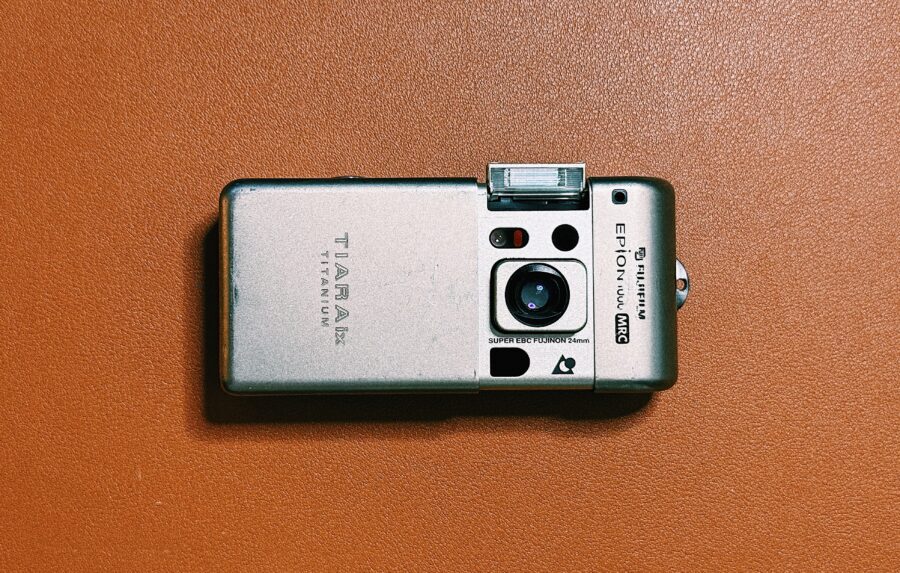
One day, while randomly browsing auction websites for cheap film cameras, I came across a very unique looking Fujifilm camera. It was such a beautiful little object, and instantly felt like something I wanted to hold and use. The design really intrigued me, and I managed to win the auction at a very reasonable price, around 3,500 yen, which is roughly 23 to 25 US dollars.
That camera was the Fujifilm Tiara XI, also known as the TRXI, or by its full Japanese market name, Fujifilm Epion 1010MRC Tiara ix.
The Camera
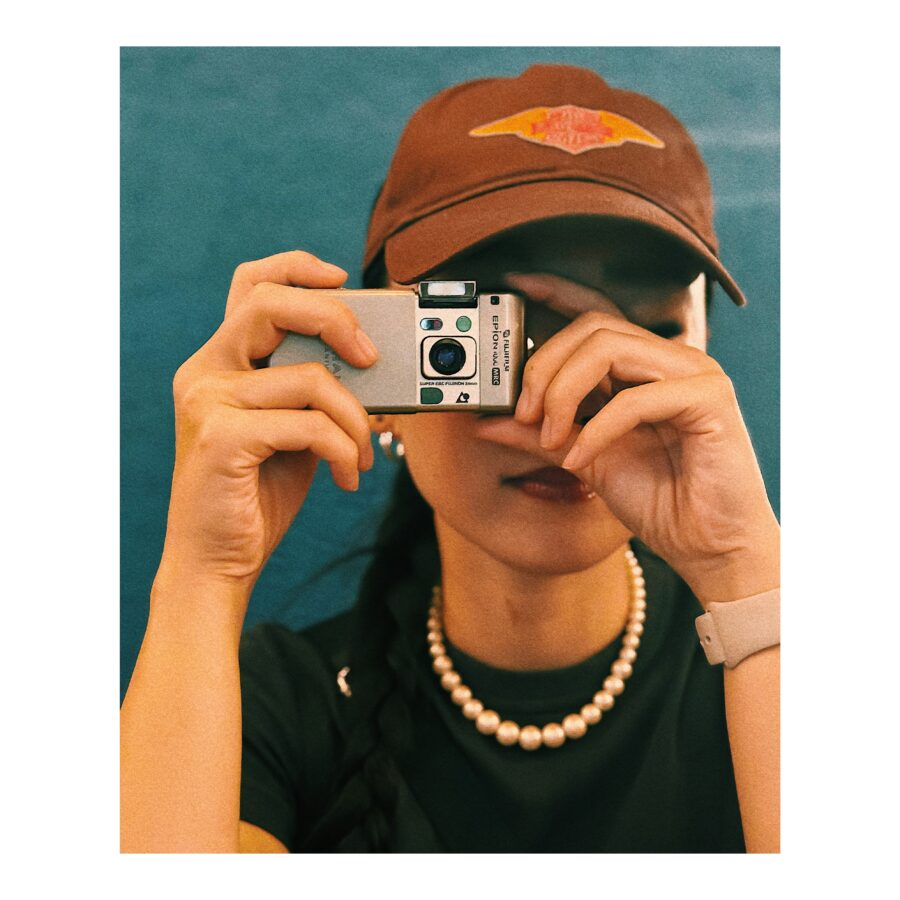
The Tiara XI was released in the late 1990s, around 1998, during a very interesting transitional period, right at the verge between film’s maturity and the rise of digital photography. It belongs to Fujifilm’s Epion series of compact point and shoot cameras, designed to be small, stylish, and extremely easy to use.
Technically, it is a fully automatic APS film camera with autofocus and automatic exposure, built for everyday photography rather than manual control. One of its most defining characteristics is its compact body, made possible by the smaller APS film cartridge, and a clean, almost modern design that still feels a little retro modern.
APS Film
I feel I must talk a little about APS film here, because this is what this camera uses, and it is also a big downside today since this type of film is no longer in production.
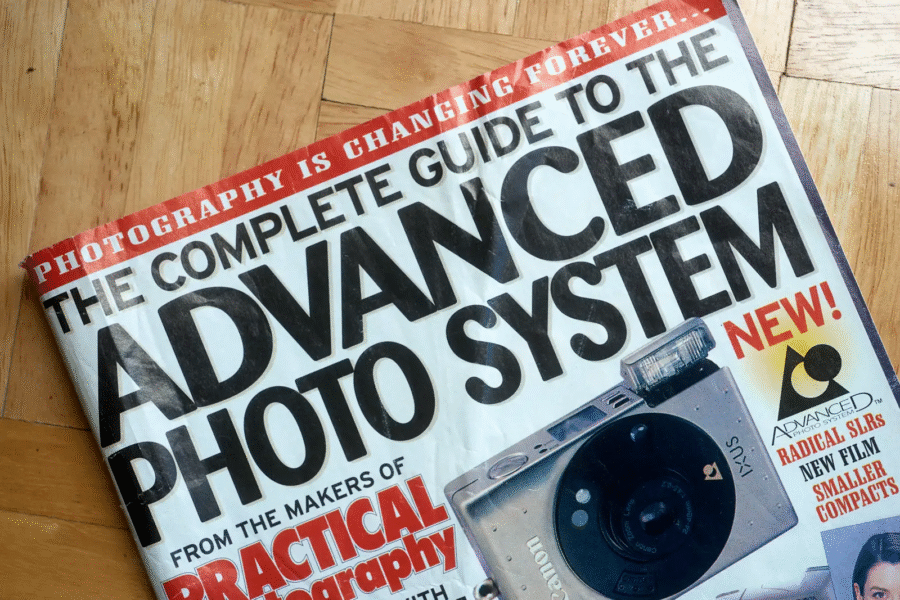
APS, or Advanced Photo System, was introduced in 1996 by a group of major manufacturers including Fujifilm, Kodak, Canon, and Nikon. The goal was to modernize film photography by making it easier, cleaner, and more intuitive for casual users.
APS film came in a sealed cartridge that handled almost everything automatically. The camera would load the film for you and rewind it for you. In many cameras, you could remove a partially used cartridge and load it again later without exposing the unused frames to light. Some cameras, including the Tiara XI, would pull the entire film out of the cartridge first and then rewind it frame by frame as you shot. This meant that if you accidentally opened the camera, only the already used frames would be exposed.
Other advantages included smaller camera bodies, selectable aspect ratios at print time, and a magnetic strip on the film itself that could store shooting information, kind of a meta data.
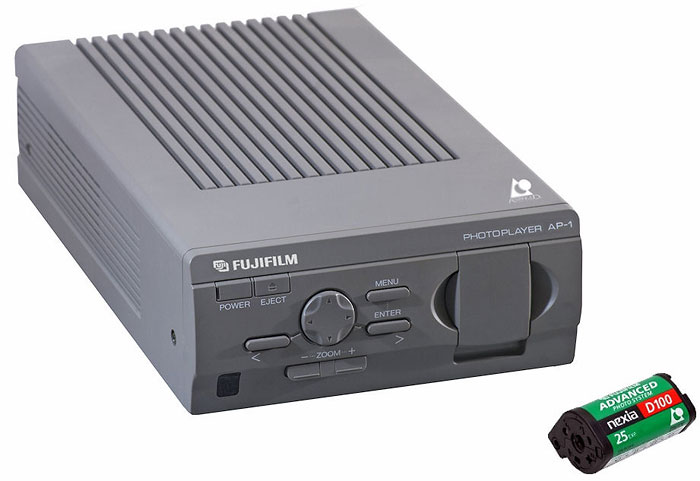
There were also dedicated APS photo viewing devices at the time. Products like the Minolta Vectis VP 1 and the Fujifilm AP 1 APS Photo Viewer could read APS cartridges and display the images directly on a television as a slideshow, without needing prints or scanning. This felt surprisingly futuristic for film photography.
When the film was developed, the negatives were returned inside the original cartridge, which made storage and organization simple and tidy.
Why APS Disappeared
Despite these innovations, APS never fully replaced 35mm film. One of the main reasons was timing. APS arrived just as digital cameras were beginning to gain serious traction. As digital technology rapidly improved, interest in film, especially newer and less established formats, declined.
APS also suffered from slightly lower image resolution compared to 35mm, and it required specialized processing equipment. This made it less attractive for both professionals and labs in the long term. By the early 2010s, production of APS film was officially discontinued.
Today, APS lives on mostly as a relic. It is remembered through expired film stock and in name only via APS C digital sensors, which are based on similar dimensions.
Using the Tiara XI Today
When I received the camera, I was genuinely excited and a little nervous. I bought some expired APS film online and inserted the battery and film for the first time. When the camera automatically loaded the film, hearing it move, advance, and prepare itself, it was a surprisingly satisfying moment.
Shooting with it felt effortless. I took photos carefully, hoping that these would actually survive development one day. Fortunately, in Japan there are still good options for film development, and I had the roll processed at Camera no Kitamura.
I was very pleased with the results. All the photos came out beautifully.
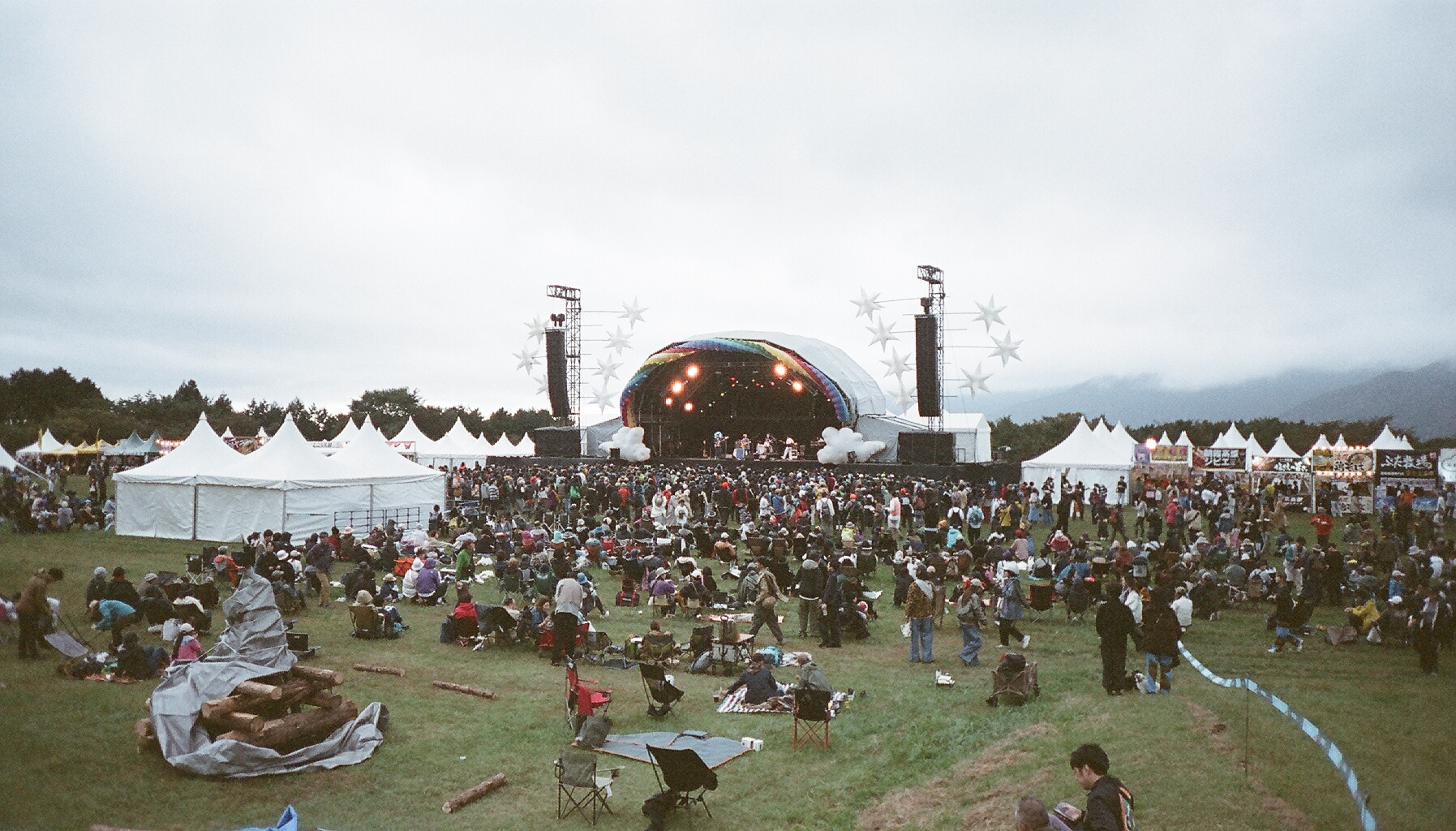

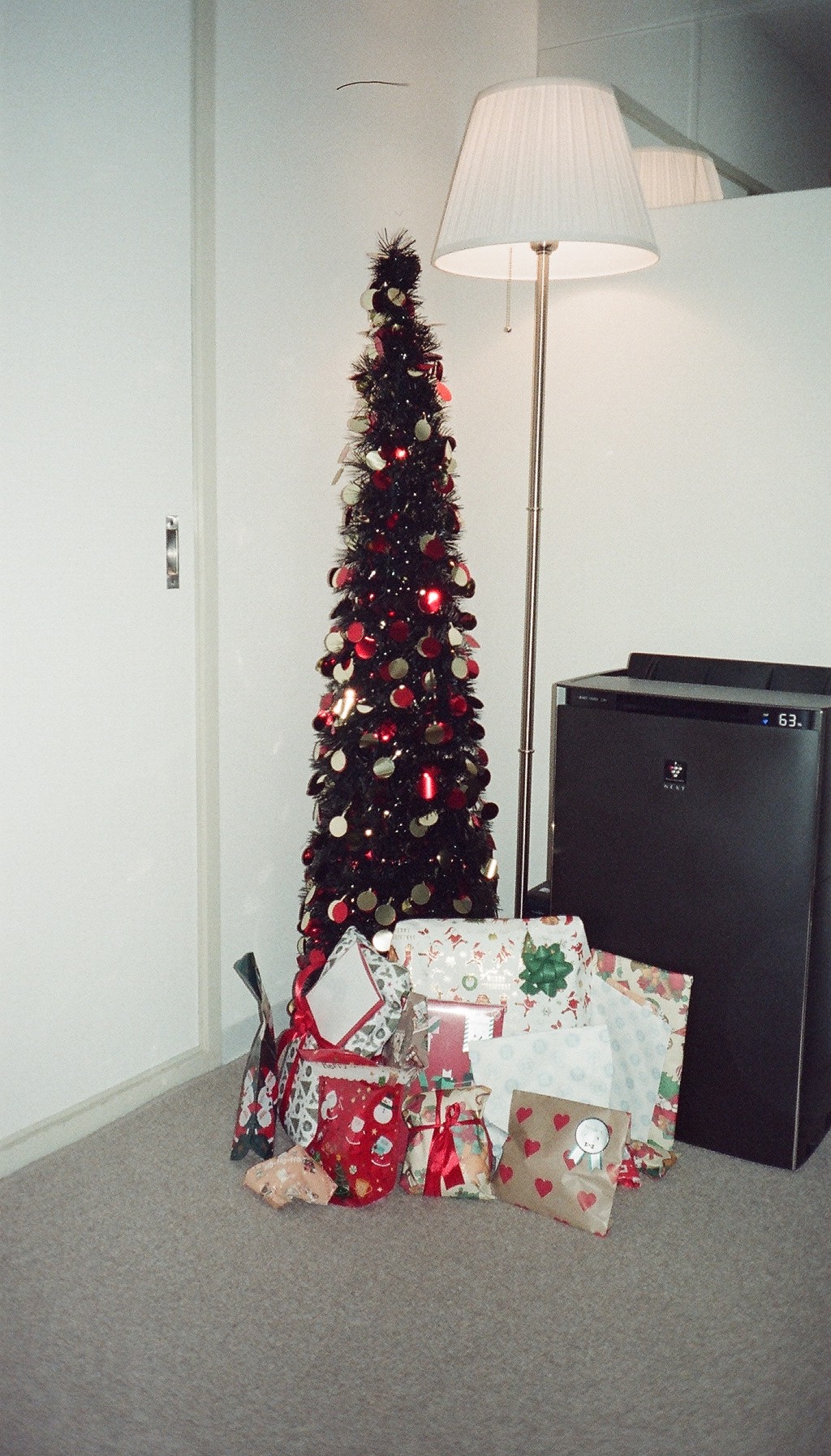


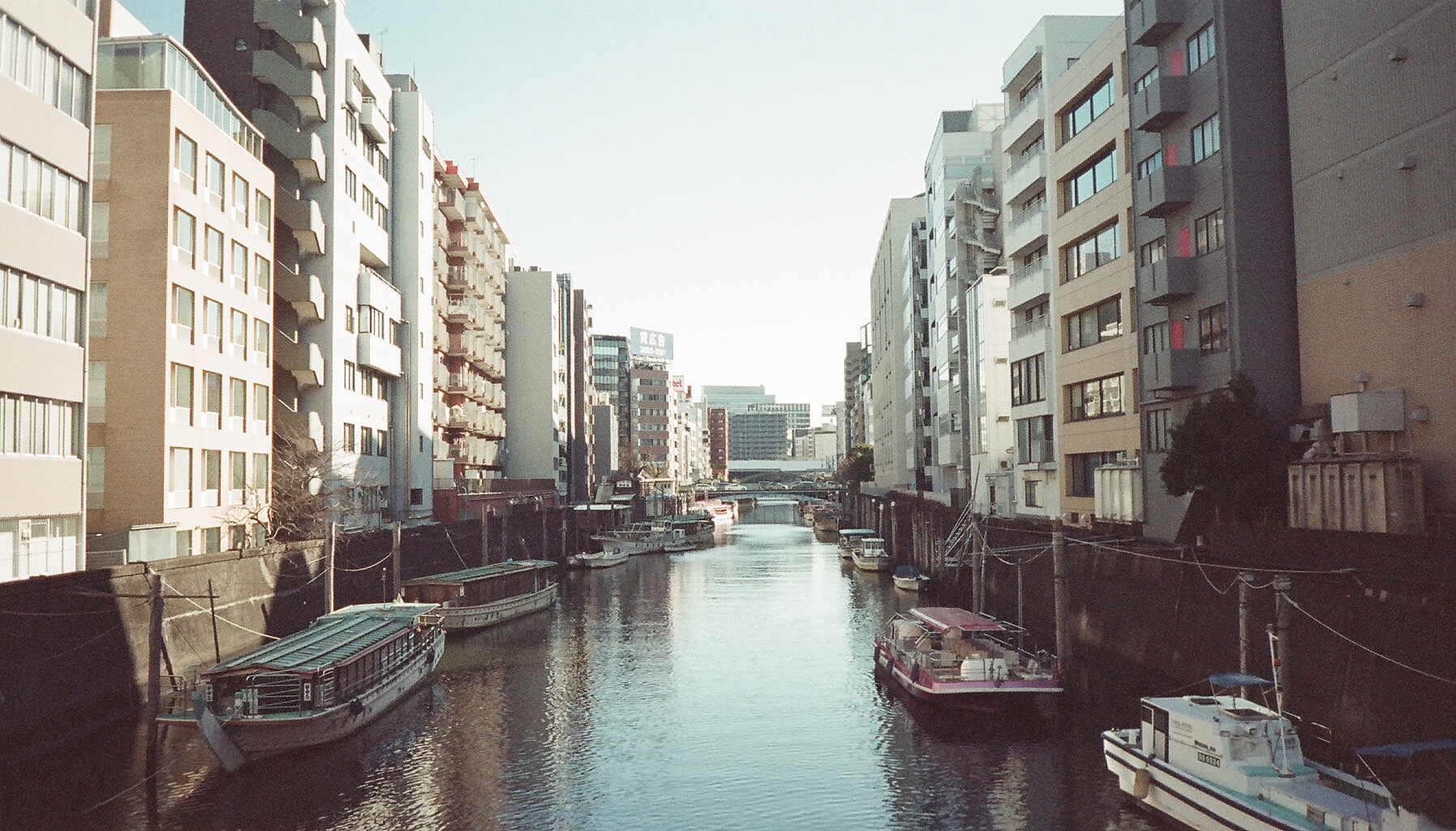

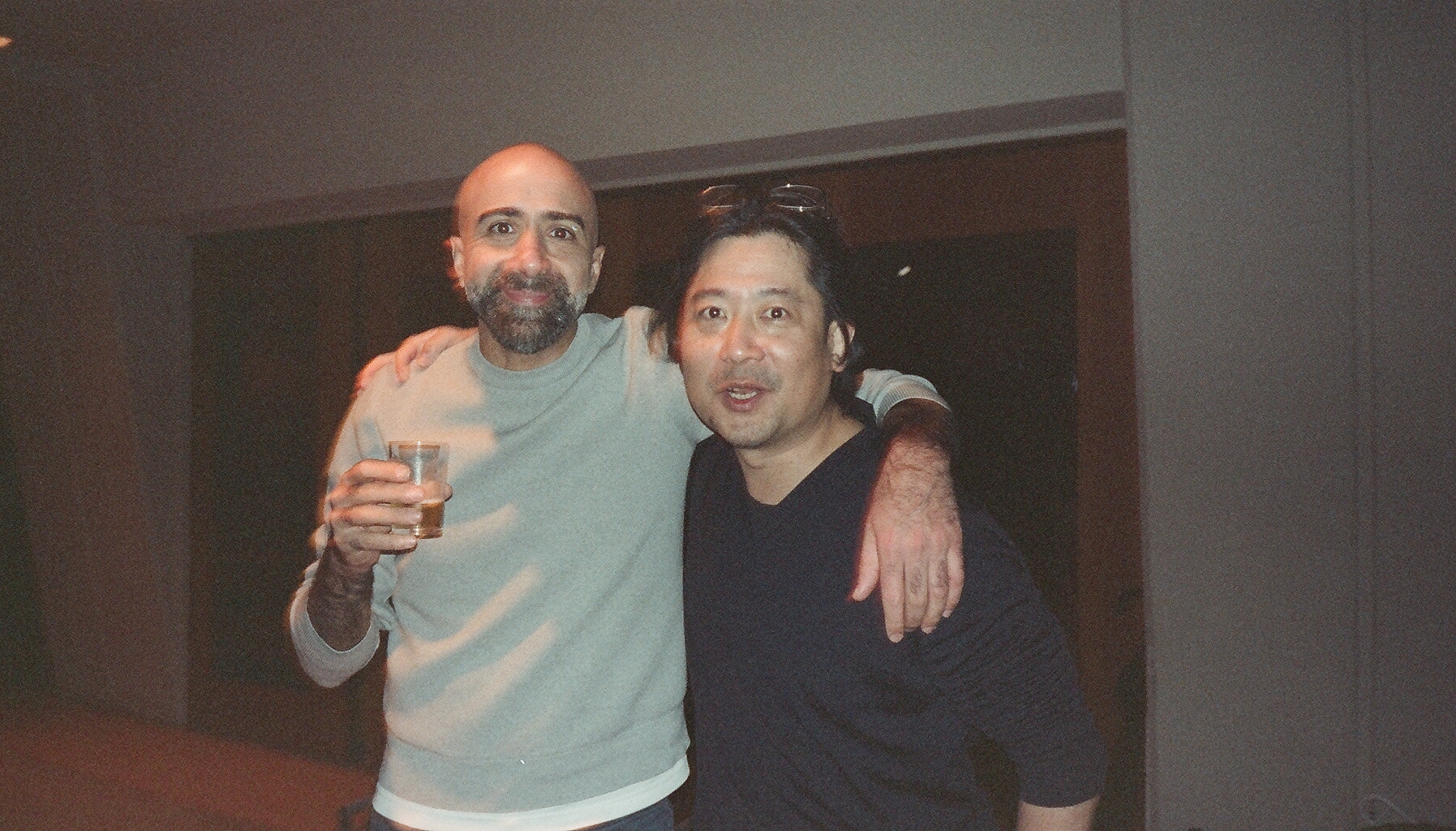
What is interesting about the Tiara XI is that it has a slightly digital feel to it. It feels very clean and very controlled, but the colors are unmistakably Fujifilm. They are pleasant and easy to look at. Because APS film has a slightly lower resolution, you can see that softness in the final images, especially in fine detail, but it suits the camera perfectly. It really places the photos in that transitional era between film and digital.
Overall, the colors are a little washed out, but in a gentle way. When you use flash, it performs a little better. Exposure and focusing are generally very reliable, although you do need to be careful with focusing. Subjects that are slightly off center can easily end up soft.
Final Thoughts
There are so many unique film cameras out there, and rediscovering them is a great way to reconnect with photography and with the act of capturing memories. Film photography comes in waves, and this recent resurgence has even brought new film cameras back onto the market, some of which I will try to review as well.
There is something especially meaningful about using a camera like the Tiara XI. Holding a beautiful object, learning how it behaves, capturing moments together, and then waiting days or weeks for the results is a slow, physical, and deeply enjoyable process.
It is a reminder that photography does not always need to be perfect or sharp or instant. Sometimes a little softness, mood, and blur, like memory itself, are exactly what make it special.